Hej friend, | 🇩🇪 Diesen Gluedrop gibt's auch auf Deutsch
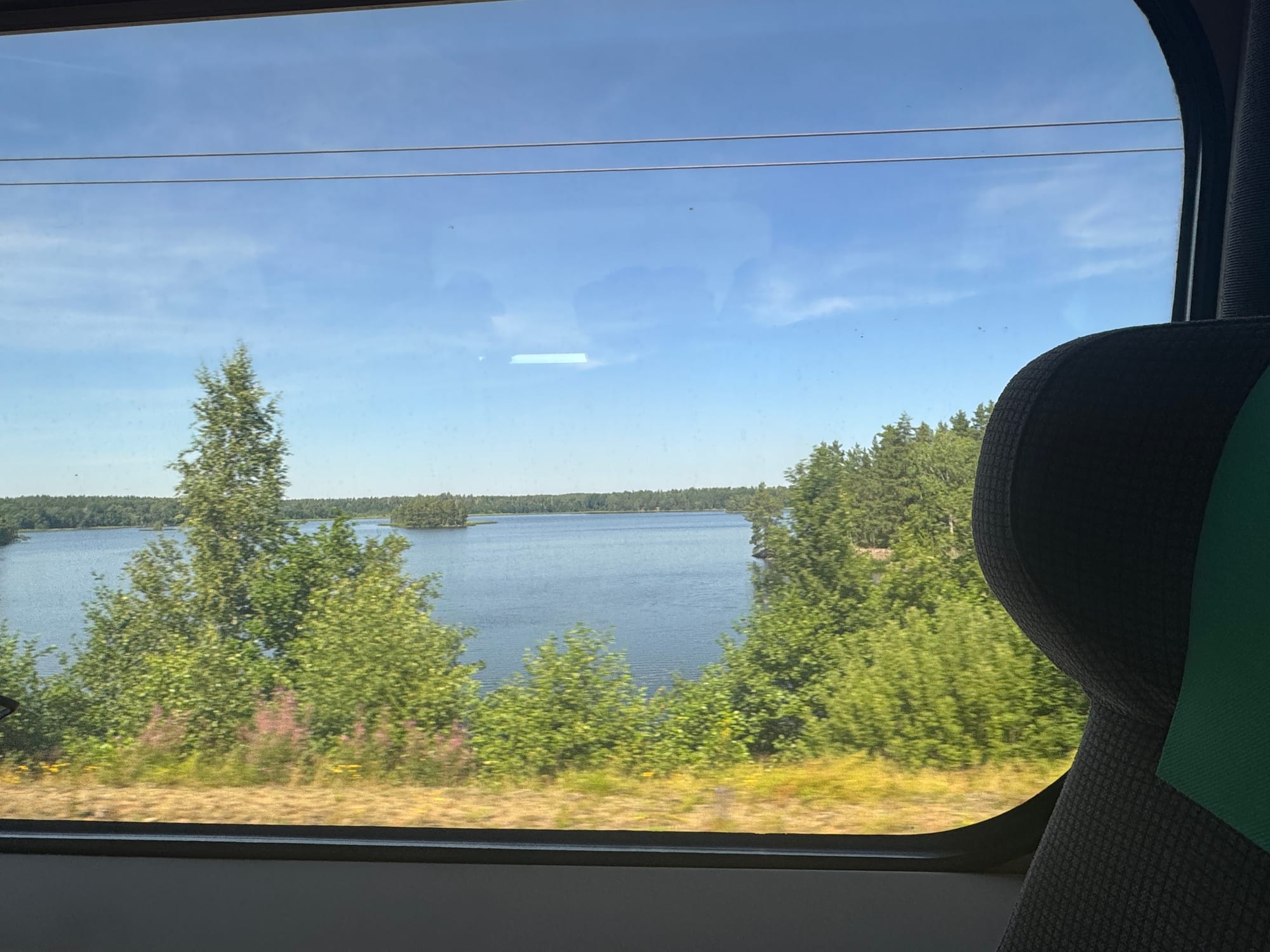
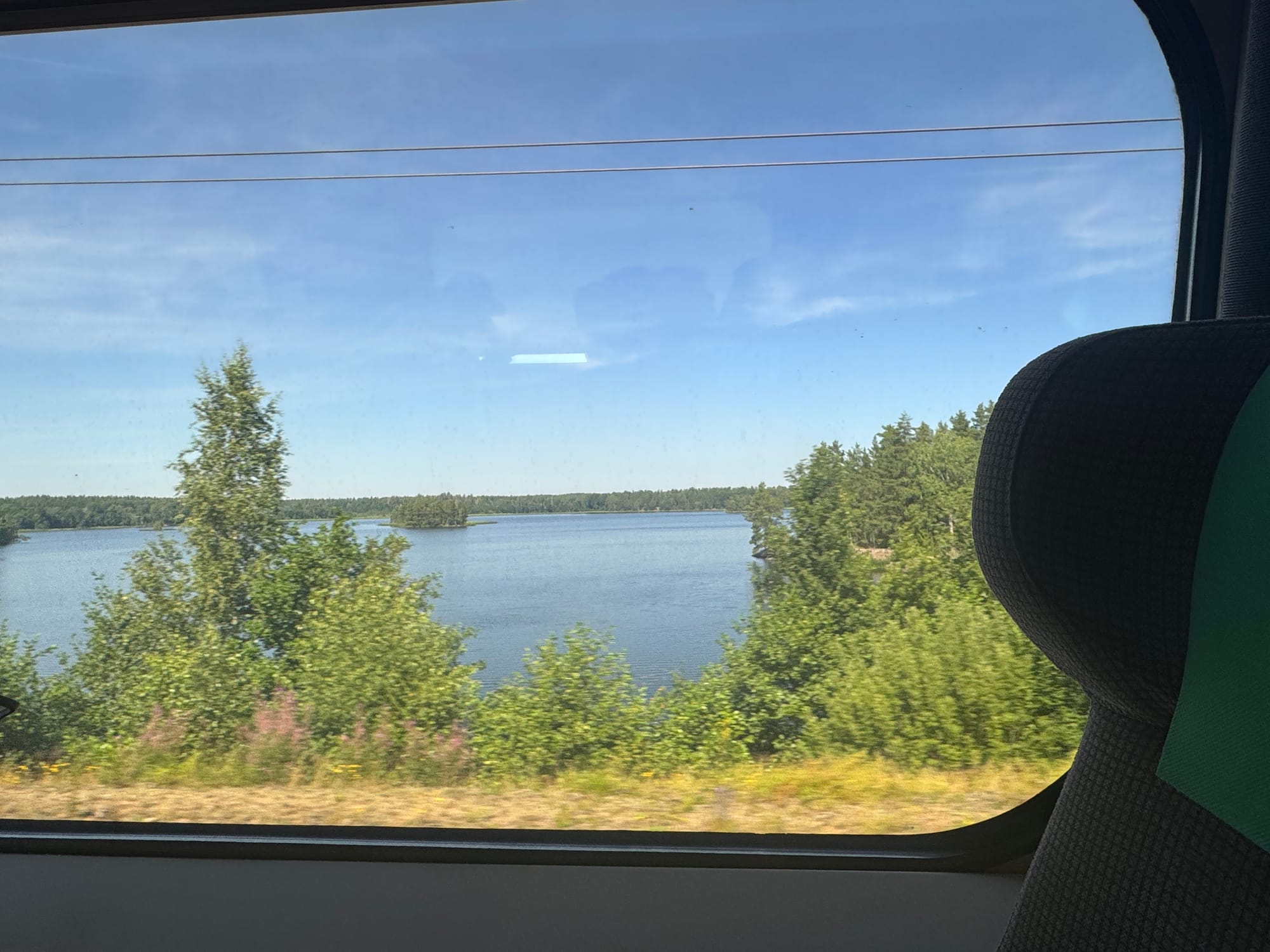
I spent the last week in the Stockholm archipelago, with plenty of water, wind, conversations, and time to think. Now I'm on the train back to Hamburg via Malmö, writing. Sweden – and Malmö in particular – have shaped me deeply: through my thesis at K3 Malmö University, friendships that have grown since, and of course 040x040, our long-standing innovation exchange between Hamburg and Malmö. And through countless impulses from Scandinavian innovation practice, from DDC – Dansk Design Center via Media Evolution to Vinnova.
I'm still fascinated by the high value Scandinavia places on creativity, and the compelling ways of working that keeps emerging from that mindset and culture – from Collaborative Foresight to applied Mission Oriented Innovation.
So I had plenty of time sipping coffees and thinking about one of my favorite topics: How do we make it more likely that creativity and innovation actually happen in cities? Not just by chance, not just in crises, not just when a few good people happen to be in the right place at the right time – but more systematically, without choking the openness, energy, and unpredictability of creativity (aka 👉 Three Shots at Creativity).
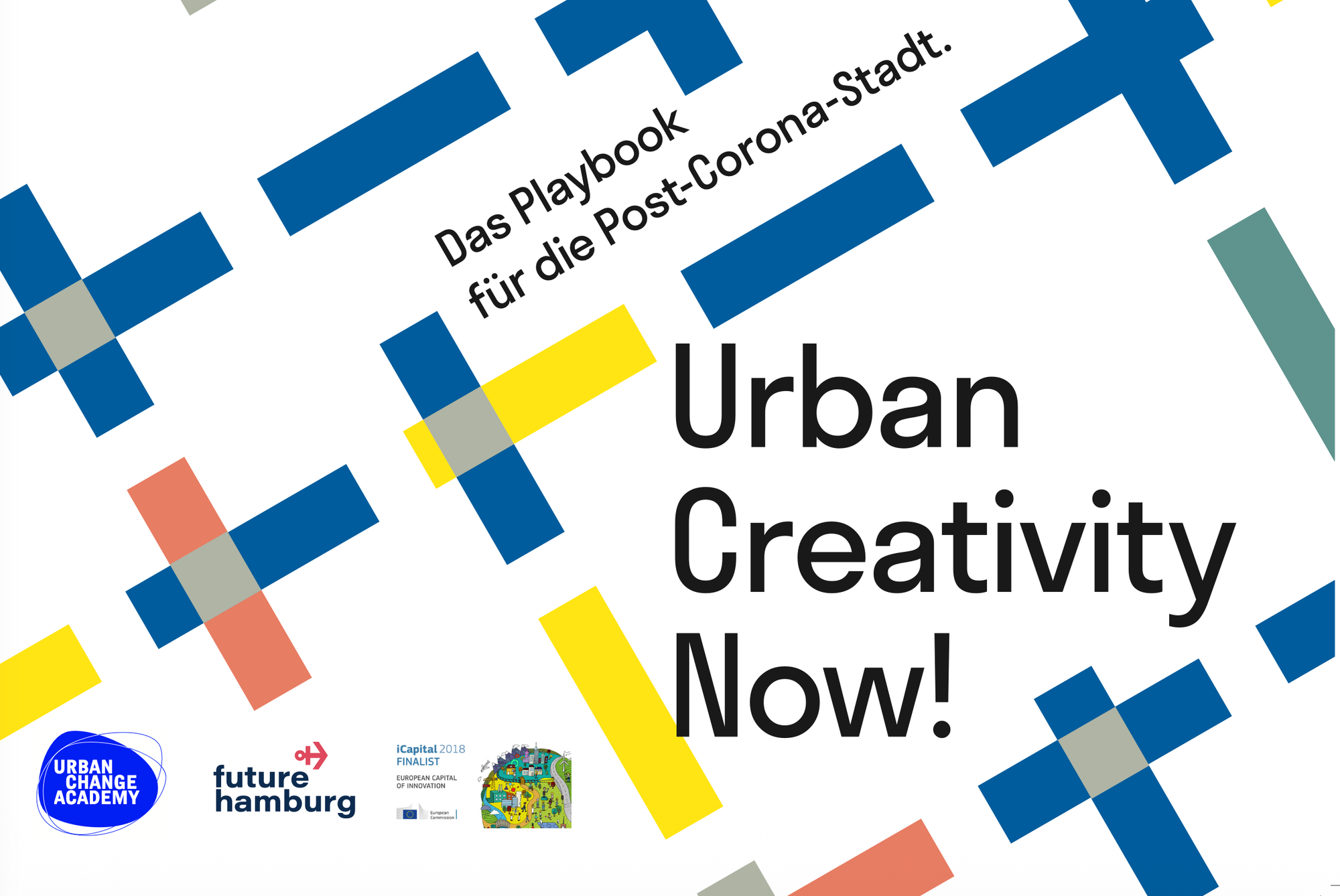
In Urban Creativity Now: The Playbook for the Post-Covid City, which I published in 2021 with my colleagues at the Urban Change Academy, we coined the term urban inventory. I still love this metaphor: Every bookstore takes inventory – what's there, what's missing, what's lying around unused, what might be needed in the future. Cities should do the same, just not only with buildings, cadasters, or physical infrastructure, but also with capabilities, knowledge, networks, initiatives, spaces, routines, capacities, and untapped potential.
Back then, the playbook was driven by the question of what cities can learn from the spontaneous creativity of the pandemic. Suddenly, parks became open-air gyms, parking lots turned into playgrounds, exhibition halls werte transformed into vaccination centers, pop-up bike lanes appeared practically overnight, retailers and restaurants developed new services, cultural venues found new spaces and formats. Much of this didn't emerge from strategies or master plans – it came from the concrete pressure of the pandemic, improvisation, and existing capabilities.
Today, I'm interested in this question more fundamentally: How can cities systematically foster creativity and innovation? How can they create conditions where new solutions don't just emerge by accident, but become more likely? I've been thinking about a better interplay of problems, capabilities, and experiments.
Many urban challenges don't arise because there are no capabilities to address them. They arise because problems and existing capabilities don't find each other systematically enough.
After all, cities don't just have challenges – they also bundle a wide variety of capabilities. They have knowledge, networks, initiatives, spaces, routines, capacities. Too much of this remains locally bounded, disconnected, unused, or even invisible. From my perspective, many urban challenges don't arise because there are no capabilities to address them. They arise because problems and existing capabilities don't find each other systematically enough.
Yasemin Arhan Modéer puts it perfectly in her interview for 040x040's 10th anniversary:
"A real, tangible cooperation between the regions. And I'd actually want to bring Lund into it – not just 040 as a concept, but the wider area. So much is possible: exchanges, business connections, shared projects. With a genuine starting point of trying to make this corner of Europe a hotspot for solving the problems we're facing." – Yasemin Arhan Modéer
This is exactly where the idea of urban inventory comes in for me: What's there? What's needed? Which capabilities match which problems? What new connections can we create? What experiments can emerge from that? And what do we learn, so it doesn't stop at a handful of good examples (aka lighthouse projects)?
From my perspective, creativity must play a central role here. It's the glue that transforms individual capabilities, places, interests, and ideas into a space of possibility where new things can emerge and come into the world. Not as decoration, but as a practice of looking more closely, reframing problems, making needs visible, translating between different perspectives, and making new possibilities testable.
I’ll write more on this soon... And I'd be glad to welcome you to our 040x040 picnic edition in Hamburg September 3–4.
Have a great summer!
– Matthias
PS. A great example from Malmö that we discovered during 040x040 at Form/Design Center: At What Matter_s, 10 design studios met 10 material researchers to explore new materials and make visible the potential they hold.