Hey friend,
we live in a work environment that’s obsessed with methods and processes. Everything must be controllable, systematized, and perfectly timed. And, of course, produce concrete results. But have you ever wondered where some of these work methods, such as Kanban, come from? Fun fact: not from creativity research, but from car factories. More specifically: from Toyota’s Lean Manufacturing. Just-in-time, just-in-sequence—in short, always having exactly the right parts ready for assembly when an employee needs them.
Confusingly, Pixar founder Ed Catmull also refers to Toyota in his fascinating book Creativity, Inc.—but more because of the high quality standards and the fact that any employee can pull the emergency brake on the assembly line at any time if a problem arises. But we’ll get to Pixar in another post.
Why have so many organizations effectively turned creativity into assembly-line and cookie-cutter work? Why do people even believe that creativity needs to be mass-produced? Why do they want to force an industrial approach onto human creativity?
I don’t know if this is a typically German problem, because we Germans do love our norms and standards. From the DIN signage on the highway to DIN A4 paper, all the way to the digital service standard, which had to be packaged into a norm for maximum acceptance. Pretty clever, actually.
Perhaps people outside the creative fields also find this magical and, in some ways, archaic-creative essence of creativity a bit unsettling. The unpredictability, the uncertainty one embarks upon. The unknown.
What began in car factories was incorporated into the DNA of modern New Work organizations via agencies and design thinking: creativity as a process. In any case, a clear trend emerged: creativity must be manageable. That is, measurable, timed, open to everyone. Capable of consensus.
But creativity needs safe spaces that make it easy for us to try new things—to reveal something of ourselves, to form an opinion on a problem, and to stand by our work. In my view, the more people are allowed into the safe space of creativity, and the more consensus we have to find in diverse group situations, the more two things happen. First: Responsibility shifts from the people to the process. “I’m just following the rules; that’s how it’s defined.” This weakens the ability to take risks, to lay oneself bare, to reveal something of oneself, and to occasionally fall flat on one’s face. Second: The sooner consensus is demanded in creative work, the fewer creative detours we can take. And that comes at the expense of creative excellence.
Harun Farocki’s film A New Product documents this world: brainstorming meetings, flipchart metaphors, eager enthusiasm. And amidst it all, almost in passing, the question with which Isabelle Moffat sums it all up in DARE Mag
“How many of these meetings do you think take place every day around the world? How many ways of concealing the coldness of the market economy are transformed daily into nice, vivid images with colorful markers?”
Over-processualization is the first shot at creativity. The second cuts away what’s left of it.
– Matthias
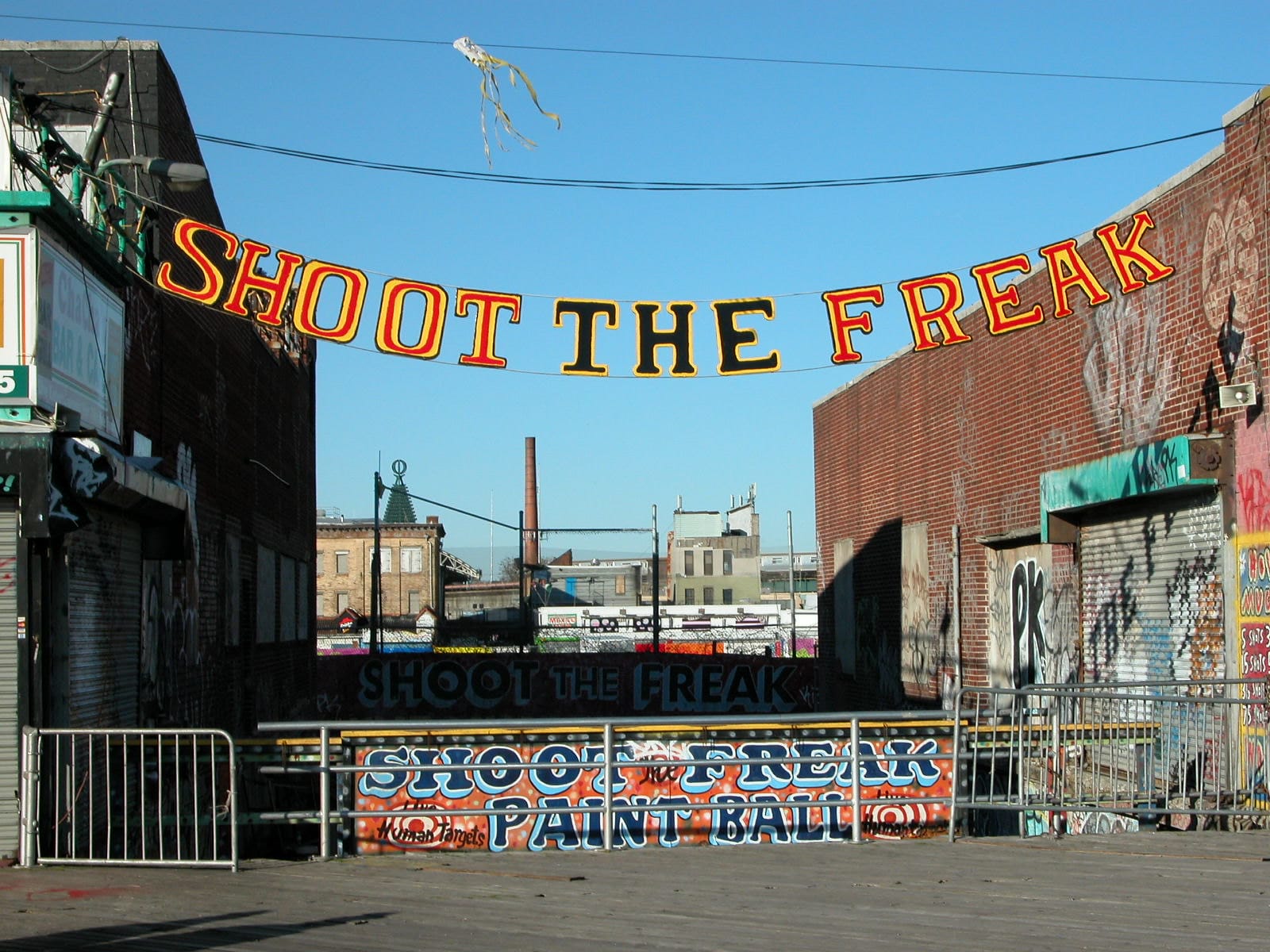
Three shots fired at creativity is a mini-series I started in spring 2026. Human creativity is messy, tangled, and it doesn't happen in a vacuum. It happens between people – in friction, argument, contradiction. And that deeply human experience is currently being systematically optimized away.